
The Cordless Revolution: How Li-Ion Batteries Transformed Power Tools
The cordless revolution began when lithium-ion replaced cords and Ni-Cd inefficiency with true mobility and power. Before lithium, tools were heavy, short-lived, and suffered from memory effects; Li-ion changed everything—tripling energy density and halving charge time between 2000–2025. Six key forces drove transformation: higher Wh/kg (freedom through power), unified tool platforms (Ryobi ONE+), brushless motors, pro cordless adoption, DIY democratization, and smart BMS/IoT integration. These advances reshaped design, ergonomics, and the global supply chain, shifting innovation from torque to chemistry and data. Sustainability now means reuse, recycling, and safer chemistries like LFP and solid-state. Fleets and buyers must standardize platforms, verify BMS and cell specs, and require certified, traceable batteries. Lithium-ion isn’t just a component—it’s the invisible engine of modern innovation. XNJTG supports this new era with premium, OEM-compatible Li-ion batteries built for durability, safety, and performance.
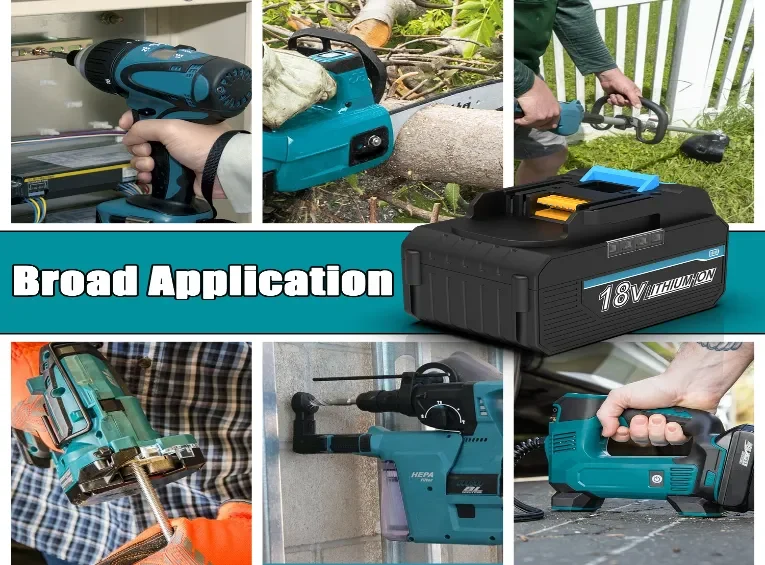
Introduction — What Sparked the Cordless Revolution?
Picture a jobsite tangled with cords, noise, and downtime. Lithium-ion didn’t just make power tools lighter — it made them truly portable. This “silent revolution” redefined engineering, workflow, and economics, giving rise to a new generation of smarter, safer, and more efficient cordless systems.
Before Lithium — Why Did the Corded and Ni-Cd Era End?
Ni-Cd and Ni-MH dominated early cordless tools but came with heavy weight, limited runtime, and the dreaded memory effect. Frequent charging cycles and declining capacity meant inefficiency and user frustration. Lithium-ion chemistry broke this ceiling, offering higher voltage stability, lighter packs, and freedom from cord dependence.
From Chemistry to Capability — How Li-Ion Rewired Performance
Between 2000 and 2025, lithium-ion energy density nearly tripled, charge time halved, and cycle life doubled. These gains enabled drills, grinders, and saws to rival corded torque while cutting tool weight by up to 40%. What began as a battery upgrade became a total systems transformation across brands and industries.
The Six Forces of Transformation
4.1 Energy Density Leap — “Freedom Through Power”
Higher Wh/kg allowed smaller packs to deliver longer runtime. Lightweight tools meant less fatigue and continuous mobility, unlocking new design possibilities.
4.2 Platform Ecosystems — “One Battery, Infinite Tools”
Standardized platforms like Ryobi ONE+ created ecosystems where one battery runs dozens of tools — driving loyalty, simplifying logistics, and lowering total cost of ownership.
4.3 Brushless Motor Era — “Brains Meet Brawn”
The shift from brushed to brushless motors paired perfectly with Li-ion’s voltage stability, yielding cooler operation, higher efficiency, and built-in electronic protection.
4.4 Professional Cordless Takeover — “The Silent Jobsite”
Construction and trade professionals moved en masse to cordless systems. With no cords or generators, safety improved, setup time dropped, and noise levels fell.
4.5 DIY Democratization — “The Maker Revolution”
Affordable Li-ion tools brought pro-grade performance to hobbyists and homeowners, expanding the market and sparking the global DIY renaissance.
4.6 Smart BMS & IoT Integration — “Tools That Think”
Modern Battery Management Systems (BMS) now regulate thermal conditions, balance cells, and communicate with tools and chargers. Bluetooth and IoT modules log cycles, track temperatures, and predict failures before they happen.
Impact on Tool Design and Engineering
Smaller, denser packs revolutionized ergonomics — slimmer handles, balanced weight distribution, improved ventilation, and diagnostic LEDs for live status. Engineers could now design tools around efficiency and human comfort, not battery constraints.
The Supply Chain Ripple Effect
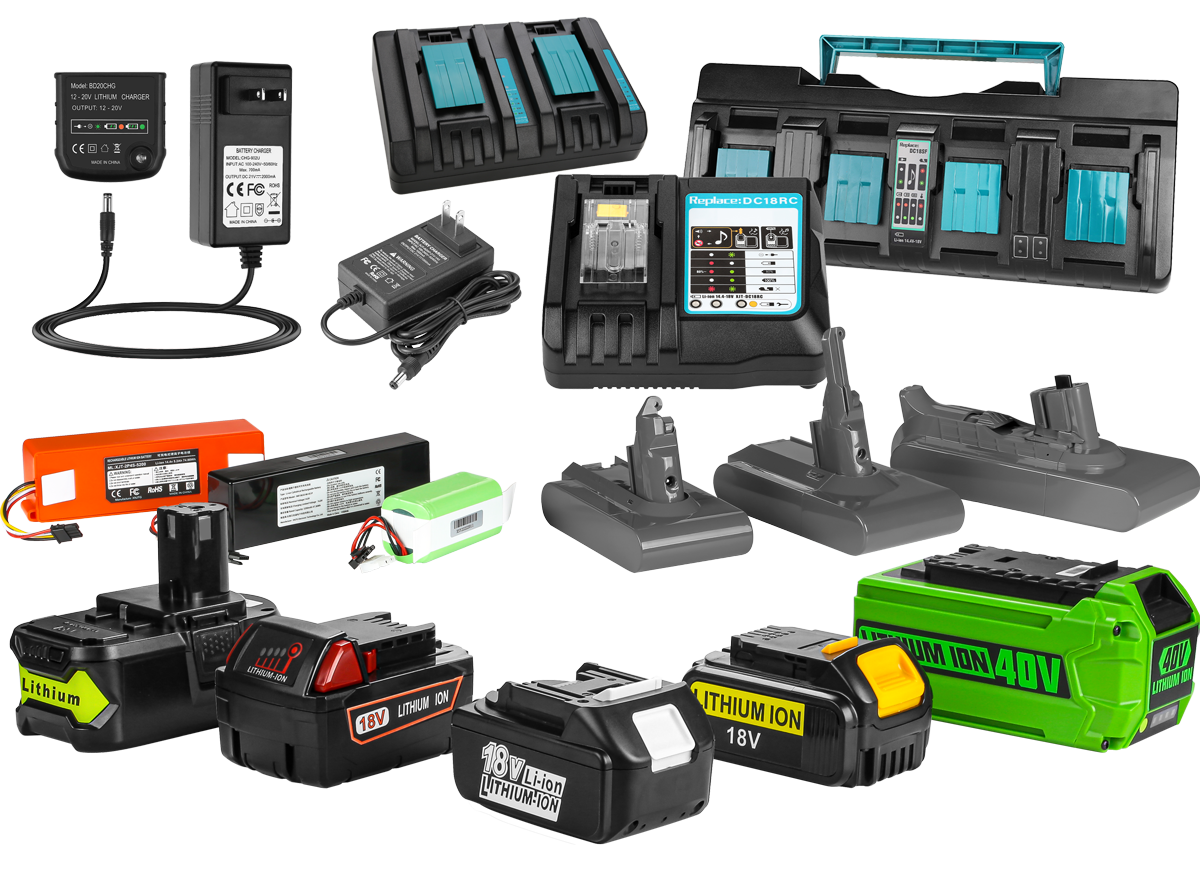
Power shifted from motor design to battery intelligence. OEMs built in-house battery labs and BMS divisions, while an entire aftermarket grew around replacement packs and fleet management. Manufacturers like XNJTG now lead in high-quality Li-ion replacements and custom pack solutions to support global cordless adoption.
The Sustainability Equation — Progress Meets New Challenges
Lithium-ion’s extended life reduces waste and replacement frequency, but its success brings new obligations: recycling infrastructure, LFP chemistry adoption for safety, and circular economy frameworks for end-of-life pack recovery. The next phase of sustainability is not just fewer batteries — it’s smarter reuse.
The Digital Layer — How Data Turned Tools into Assets
Connected BMS modules record every charge, temperature spike, and runtime cycle. Fleets analyze this data to schedule preventive maintenance, balance workloads, and forecast replacement needs — transforming power tools from consumables into managed digital assets.
Market and Economic Impact
Cordless now dominates global sales. Brands compete less on torque specs and more on platform ecosystems and energy efficiency. Fleets see measurable ROI through reduced downtime, longer maintenance intervals, and lower total operating costs — data is the new torque.
Future Directions — What Comes After Lithium-Ion?
Emerging chemistries — high-nickel NMC, solid-state, and sodium-ion — promise faster charging, higher density, and improved safety. Combined with recycling and second-life applications, the next decade will bring batteries that charge in minutes, last thousands of cycles, and close the sustainability loop.
Procurement & Fleet Strategy — How to Stay Competitive
Standardize on one or two battery platforms to simplify logistics. Verify supplier chemistry and BMS specs. Track runtime, temperatures, and failure rates. Adopt procurement clauses requiring UN38.3, UL, or IEC certifications and periodic pilot samples for fleet validation.
Conclusion — The Invisible Engine of Innovation
Lithium-ion batteries are now the beating heart of the cordless world — enabling smarter tools, safer jobsites, and new economies of performance. The innovation race has shifted from motors and torque to chemistry, data, and lifecycle intelligence. The cord is gone — and it’s not coming back.
Gentle Call to Action — Powering the Next Revolution
XNJTG powers the cordless era with dependable, high-quality lithium-ion replacements and OEM-compatible packs for every major platform. Explore our solutions, request custom builds, or share your success story — together, we’ll keep the cordless revolution running stronger, smarter, and longer.