
Using Ryobi Batteries in Other Brand Tools: The Shocking Adapter Truth
Connecting a Ryobi 18V battery to a Milwaukee, DeWalt, Makita, or any other brand tool may seem like a clever cost-saving hack, but the risks are real and severe. This guide explains why, what can go wrong, and safer alternatives for cross-platform power solutions.
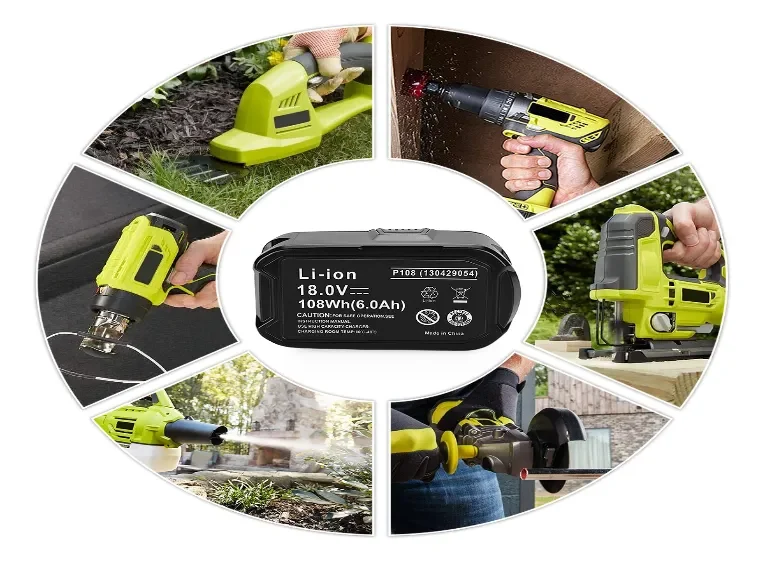
Why Tool Brands Lock Their Ecosystem
-
Commercial reason: Proprietary battery systems retain customers and protect brand value.
-
Technical reason: Voltage ratings, safety protocols, and battery communication differ across brands. Physical adapters cannot replicate these protections.
Understanding this highlights why cross-brand setups are inherently risky.
Three Core Risks of Using Battery Adapters
1. Physical & Electrical Mismatch
-
Ryobi 18V vs Milwaukee 18V/20V MAX, DeWalt 20V MAX, or Makita 18V differ in pin layout and control protocols.
-
Consequence: Tool may fail to operate or short-circuit, risking permanent damage.
2. Missing Safety Communication
-
Adapters cannot relay voltage, temperature, or battery health data.
-
Consequence: Over-discharge, overcharge, overheating, or fire.
3. Warranty Void
-
Using non-approved adapters immediately voids both tool and battery warranties.
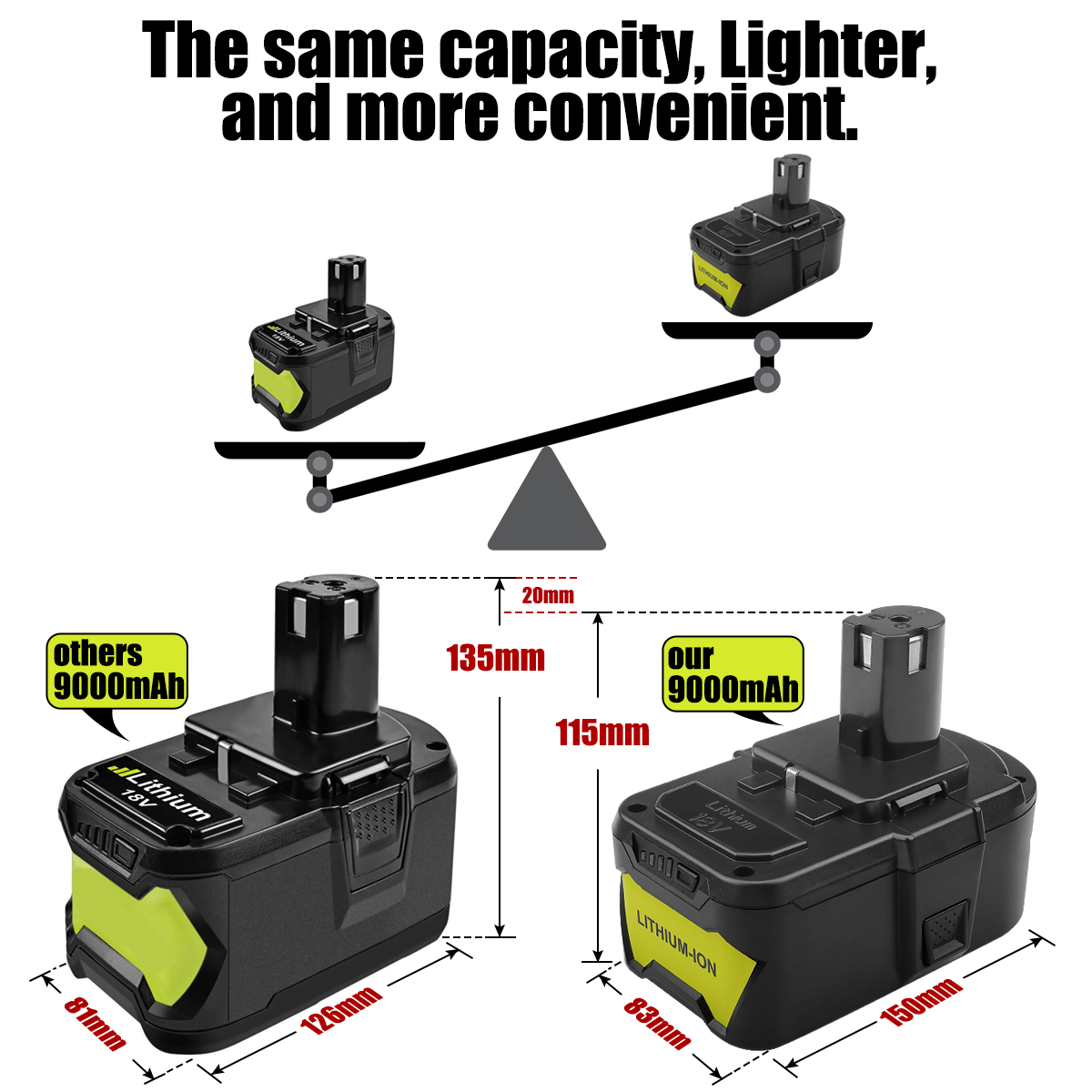
18V Lithium Ion Battery Replacement for Ryobi ONE+ Cordless Tools P108 P192
Why Commercial Adapters Don’t Solve the Problem
-
Basic physical adapters: Only reshape the connector; they do not replicate communication protocols — unsafe for regular use.
-
“Smart adapters”: Rare, expensive, and reliability unverified; unsuitable for general users.
Safe, Reliable, and Cost-Effective Alternatives
Option A: Certified Replacement Batteries
-
Stick to brand-specific or trusted aftermarket batteries with built-in safety and communication compliance.
-
Example: XNJTG Milwaukee M18 replacements offer full compatibility at lower cost than OEM.
Option B: Stay Within One Brand Ecosystem
-
When adding tools, maintain a single battery platform to maximize safety and convenience.
Option C: Temporary Adapter Use
-
Only use for short, supervised tasks in controlled environments; never leave connected unattended.
Conclusion
Battery adapters may look tempting, but the risks far outweigh the savings. Protect your tools, batteries, and personal safety by using high-quality, brand-compatible or verified aftermarket batteries.
Key Takeaway: Cross-brand adapters are a dangerous shortcut. Tested, professional replacements are the only reliable solution.