
Resources
Blog
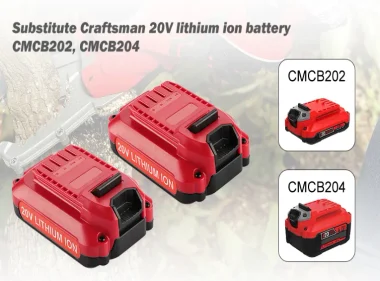
Signs Your Craftsman 20V Battery Is Damaging Your Charger
A compact, field-ready guide for techs: immediate red flags, 3–5 minute isolation checks, safe multimeter/load procedures, replace-vs-repair heuristics, logging template, and a one-line jobcard flow for fast decisions.
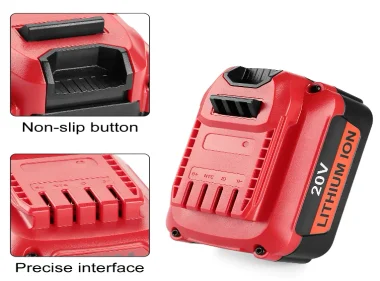
How to Check if a Craftsman 20V Battery Fits Another Craftsman Tool
A practical, safety-first walk-through to verify physical fit, electrical compatibility, and safe operation when you want to use one Craftsman 20V battery in a different Craftsman tool.
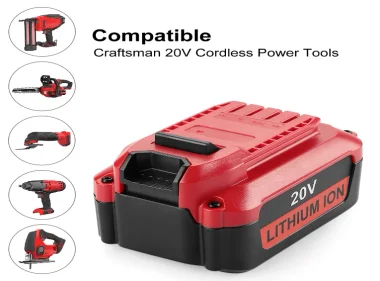
How Can You Troubleshoot a Craftsman 20V Battery That Won’t Charge?
This guide takes you from a 3–5 minute triage through reliable electrical tests (OCV + under-load), BMS recovery attempts, and advanced cell/PCB checks for experienced technicians. At each step you get clear pass/fail thresholds and field-ready instructions you can copy to a job card.
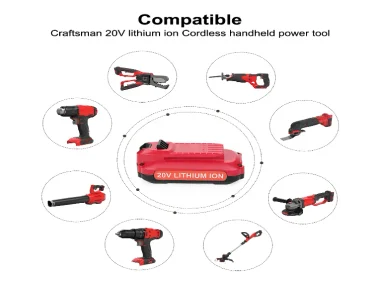
Can a Craftsman 20V Battery Work With My Older 19.2V Tool?
This single-page guide helps technicians and buyers decide quickly whether to keep legacy 19.2V packs, retrofit safely, or upgrade to 20V. It focuses on practical, safe bench tests, clear abort conditions, and a compact printable checklist for field use.
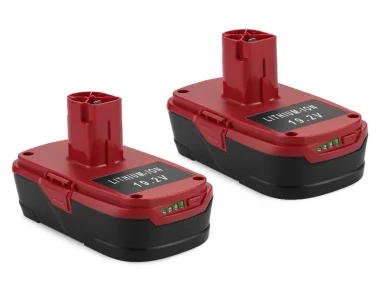
19.2V vs 20V — Which Battery Platform Should You Choose?
Quick verdict: If you’re buying new or future-proofing, choose 20V Li-ion. If you must keep form factor/compatibility or operate in extreme cold with legacy gear, 19.2V (especially NiCd) still has value. If you want Li-ion benefits but keep the same slot, consider vendor-certified 19.2V Li-ion packs only if charger/BMS compatibility is proven.
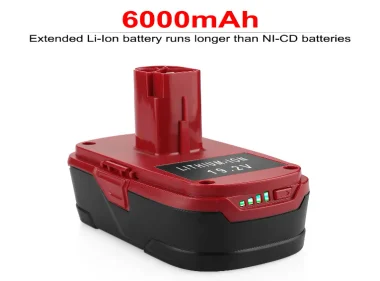
7 Lifesaving Craftsman 19.2V Battery Safety Features You Can’t Ignore
Testing a Craftsman 19.2V battery safely requires prioritizing hazards, using insulated gloves, safety glasses, and non-conductive surfaces. Essential tools include a digital multimeter, a load (resistor or tool), and a timer. Start with a visual inspection, clean terminals, then measure open-circuit voltage (OCV). Load testing reveals internal resistance and capacity; sag >2 V or capacity <60% indicates replacement. Regular checks prevent failures, while BMS resets and tool cross-tests can troubleshoot minor issues before replacing the pack.
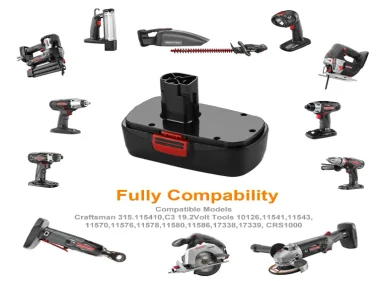
How Can You Tell If Your Craftsman 19.2V Battery Needs Replacing?
Batteries degrade gradually, but some failures are immediate safety risks. This guide gives clear, testable signs your Craftsman 19.2V pack needs retiring, quick on-site checks you can run, and safe disposal/replacement steps so you avoid downtime and hazards.
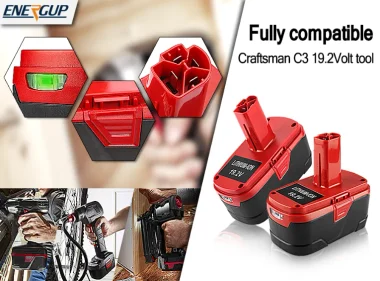
Craftsman 19.2V Battery — Storage & Winter Care Tips | XNJTG
Cold weather can reduce battery runtime by over 50% and even cause permanent damage. This guide provides detailed instructions on storage, pre-winter preparation, charging, usage, and emergency handling to keep your 19.2V batteries safe, efficient, and long-lasting.
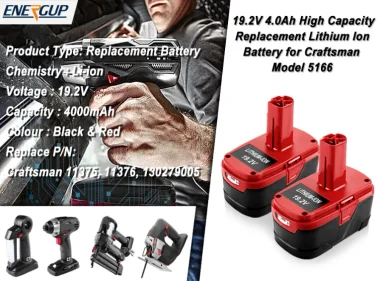
What Are the Best Craftsman 19.2V Battery Upgrade Options?
Upgrading your Craftsman 19.2V battery setup can significantly improve productivity, reduce downtime, and lower long-term costs. The key is to align your tool’s requirements with the appropriate battery chemistry, capacity, and charging strategy while maintaining safety and reliability.
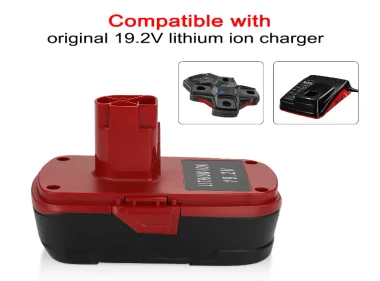
Which Should You Buy: Craftsman 19.2V NiCd or Lithium?
Choose Li-ion (Lithium) for most users — modern tools, higher energy density, lighter weight, better ergonomics and lower cost-per-cycle; keep NiCd only for legacy Craftsman packs or true sub-zero deployments where NiCd’s cold-start toughness is required.
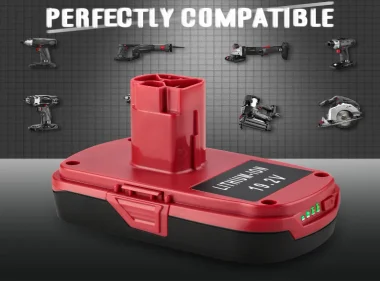
How Can You Troubleshoot a Craftsman 19.2V Battery That Won’t Charge?
This guide explains safe, step-by-step troubleshooting for a Craftsman 19.2V battery that won’t charge. It covers essential safety precautions, quick checks to rule out charger, outlet, or contact issues, and methods for inspecting, cleaning, and testing voltage under load. It explains NiCd vs Li-ion differences, how to detect high internal resistance or BMS lockouts, and when advanced repairs are warranted. It also details replacement criteria, recycling protocols, and a streamlined on-site diagnostic workflow.
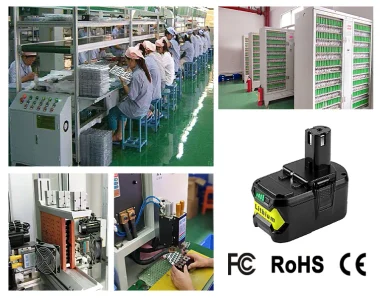
How Do You Choose the Right Ryobi One+ 18V Replacement Battery? (XNJTG)
Confirm compatibility → capacity → safety. Match the pack to your tools and workload, prefer proven cells and a proper BMS, run a quick QA at purchase, and use cost-per-cycle to compare value — not just sticker price.
Let our battery power your success
Transform your path to success with our advanced battery technologies, while enjoying the perks of free technical guidance and tailored design services to meet your unique requirements.