
Resources
Blog
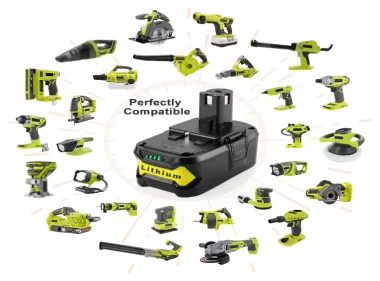
How to Safely Revive a Deeply Discharged Ryobi ONE+ 18 V Battery
If the pack is swollen, smoking, leaking, hot (>50 °C) or emits a burning smell — stop, isolate outdoors on a non-combustible surface, tag “QUARANTINED”, and arrange professional disposal. Never open the pack or attempt improvised “jump” fixes.
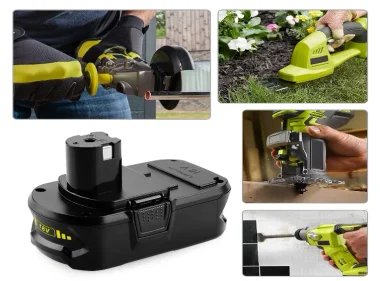
Ryobi Battery Not Charging — Step-By-Step Diagnostic Guide
This guide helps DIYers, contractors, rental fleets, and aftermarket buyers quickly identify why a Ryobi ONE+ 18 V battery won’t charge. It covers safe diagnostics, isolation of battery vs. charger issues, and structured repair or replacement decisions, ensuring reduced downtime and prolonged battery life.
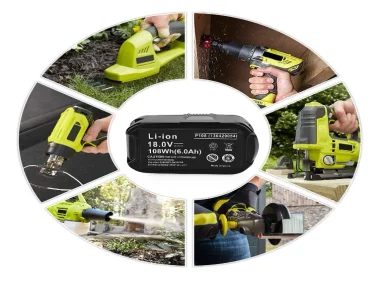
Using Ryobi Batteries in Other Brand Tools: The Shocking Adapter Truth
Connecting a Ryobi 18V battery to a Milwaukee, DeWalt, Makita, or any other brand tool may seem like a clever cost-saving hack, but the risks are real and severe. This guide explains why, what can go wrong, and safer alternatives for cross-platform power solutions.
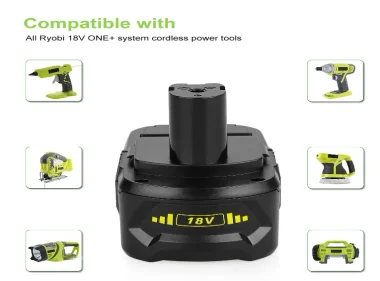
Ryobi Battery Compatibility With ONE+ Chargers And Tools
All standard Ryobi ONE+ 18V batteries are fully compatible with every Ryobi ONE+ 18V tool and charger. This forward- and backward-compatibility has been Ryobi’s promise for over two decades. To help you stay confident — especially when mixing HP and third-party packs — this guide explains how the system works, rare exceptions, and how to verify safe fit and operation every time.
Ryobi 18V Battery 4.0Ah vs 6.0Ah: A Real-World Runtime Comparison
Help Ryobi users choose between the 4.0Ah and 6.0Ah 18V batteries with real runtime data, ergonomic insights, and cost-per-hour logic — not just marketing specs.

How Your M18 Charger Affects Energy Efficiency and Battery Life
The charger you choose controls more than charge speed — it sets pack temperature, aging rate and lifecycle cost; use the reproducible test protocol below to compare candidates and protect battery life.

Milwaukee M18 Battery Storage Guide: Best Long-Term Care Practices
When your last big project wraps up and your Milwaukee M18 tools return to storage, your batteries often follow. But months later, you may find some refuse to charge — a preventable failure. Proper long-term storage not only protects your investment but also ensures your batteries remain job-ready whenever duty calls. This guide explains exactly how to store M18 batteries safely, preserve their lifespan, and avoid the costly “dead battery” surprise.

Are Third-Party Milwaukee M18 Batteries Safe for Heavy Use?
Third-party Milwaukee M18 batteries are increasingly popular for professionals seeking affordable replacements or fleet-wide cost savings. But safety, performance, and reliability vary widely between suppliers. This guide provides a field-proven framework for evaluating third-party M18 packs before deployment — based on electrical, thermal, and mechanical safety principles rather than marketing claims.

How to Choose the Right Milwaukee M18 Battery for Impact Drivers
Selecting the right M18 battery isn’t just about runtime — it defines torque stability, tool balance, and overall jobsite efficiency. The wrong pack adds fatigue, weakens performance, and shortens lifespan. This guide breaks down Milwaukee’s M18 lineup with practical insight to help you match power, runtime, and ergonomics for real-world productivity.

How to Clean & Maintain Your Milwaukee Charger — Safe, Practical Step
Your Milwaukee charger is the silent backbone of your jobsite — keeping your batteries ready, your workflow steady, and your downtime low. But like any high-duty electronic, it demands consistent, careful maintenance. This guide breaks down how to clean and maintain your M18 or M12 chargers safely, with practical steps proven in real workshop and fleet conditions.

How cold weather affects Milwaukee charging performance
Charger refusal or very slow charging in cold weather is normal and protective — don’t force it; warm the pack using safe methods and follow the SOP below.
Cold reduces charge acceptance and raises internal resistance, and charging too-cold Li-ion cells can cause irreversible lithium plating. Milwaukee chargers (and other OEM chargers) will often refuse or derate charging below safe temperatures — that’s intentional behavior to protect the cell and the crew, not a fault. If a charger refuses a pack in the cold, warm it and follow the recovery/quarantine steps rather than forcing a charge.

Milwaukee Rapid vs Super Chargers — Real Charge Time Comparison
Milwaukee’s Rapid and Super chargers cut recharge times dramatically versus standard models — use Milwaukee’s published charge-time data for accurate procurement. This guide compares example times, explains why real-world results vary, and gives instant pick-and-use rules for crews and fleet managers.
Let our battery power your success
Transform your path to success with our advanced battery technologies, while enjoying the perks of free technical guidance and tailored design services to meet your unique requirements.